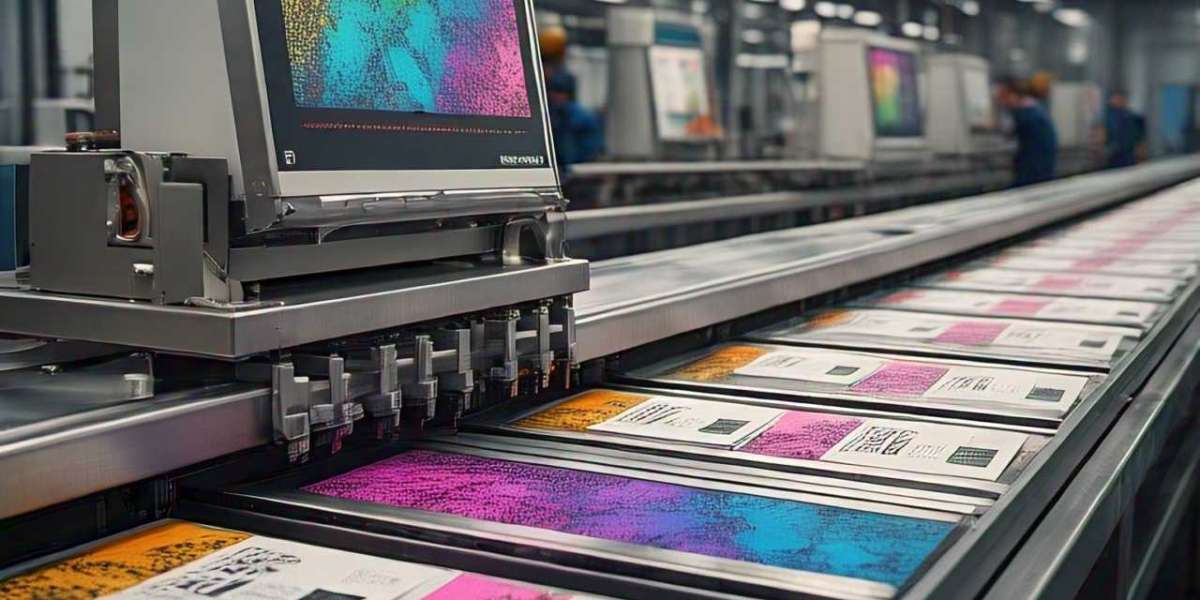

In the world of custom textile decoration, few technologies offer the versatility, vibrancy, and durability of dye-sublimation printing. This sophisticated process has revolutionized how we create personalized apparel, home textiles, promotional products, and specialty fabrics. Understanding the science, techniques, and best practices behind sublimation opens up endless creative possibilities for designers, entrepreneurs, and manufacturing professionals.
The Science Behind Sublimation Transfer
Sublimation represents a unique physical state change where solid matter transforms directly into gas without passing through a liquid phase. In textile printing, specially formulated dyes transition from solid crystals to gas when exposed to heat and pressure, penetrating polyester fibers at the molecular level.
This differs fundamentally from traditional printing methods. Screen printing, direct-to-garment, and heat transfer vinyl all sit atop fabric surfaces. Sublimation dyes actually become part of the fiber structure itself, creating images that won't crack, peel, or fade with washing. The result is permanent, vibrant graphics that maintain their appearance through hundreds of wash cycles.
The process works exclusively with polyester and polymer-coated substrates. Natural fibers like cotton, linen, or bamboo lack the chemical structure necessary for sublimation dyes to bond. This limitation has spurred development of poly-blend fabrics that combine polyester's sublimation compatibility with natural fiber characteristics like breathability and hand-feel.
Essential Equipment and Setup
Successful sublimation printing requires specific equipment, each component playing a critical role in achieving professional results.
Sublimation Printers: Modified inkjet printers loaded with sublimation-specific inks form the foundation of any setup. Entry-level desktop models suit small-scale operations and sampling, while wide-format industrial printers handle production volumes and large-format applications. Printer selection depends on your intended output size, production volume, and budget.
Sublimation Inks: These specialized formulations contain disperse dyes suspended in liquid carriers. Quality inks produce more vibrant colors, better color accuracy, and superior wash-fastness. Professional-grade inks cost more initially but deliver consistent results and reduce troubleshooting headaches.
Heat Press Equipment: The heat press applies the precise temperature and pressure necessary for sublimation transfer. Flat-bed presses handle most apparel and flat substrates. Mug presses, hat presses, and specialized equipment accommodate three-dimensional items. Digital temperature and pressure controls ensure consistency across production runs.
Transfer Paper: Sublimation paper holds printed designs during the transfer process. Paper weight, coating formulation, and release characteristics affect final image quality. Lightweight papers suit delicate fabrics, while heavyweight options work better for textured or thick materials.
Substrate Selection and Preparation
The foundation of excellent sublimation results begins with proper substrate selection. Fabric composition dramatically impacts final appearance and durability.
Polyester content directly correlates with color vibrancy and transfer success. One hundred percent polyester fabrics yield the brightest, most durable results. Poly-cotton blends (typically 50-65% polyester minimum) offer compromise between sublimation compatibility and natural fiber comfort, though colors appear slightly muted compared to pure polyester.
Fabric weight and weave structure influence printing outcomes. Lightweight, tightly-woven fabrics produce sharper details and more accurate color reproduction. Heavier, textured fabrics may show less detail but create interesting visual effects. Athletic mesh creates unique looks with sublimation but requires technique adjustments.
White or light-colored fabrics provide the best canvas for sublimation printing on sublimation material. The process adds color rather than replacing existing color, meaning designs printed on dark fabrics won't show properly. This inherent limitation has driven innovation in sublimation-compatible white underbase solutions and specialty dark-fabric sublimation processes.
Pre-treatment ensures optimal results. Even new fabrics may contain sizing, oils, or finishing chemicals that interfere with dye transfer. Pre-washing removes these contaminants, though you must ensure fabrics are completely dry before printing. Moisture content—even ambient humidity absorbed by fabric—can cause ghosting, blurring, or incomplete transfers.
Design Considerations for Sublimation
Creating effective sublimation designs requires understanding how the process renders colors, details, and special effects.
Color management proves critical. Sublimation inks produce colors differently than standard CMYK printing, and those colors change again during the heat-activated transfer process. Using proper ICC color profiles specific to your printer, ink, paper, and fabric combination ensures what you design matches what you produce. Many professionals create sample swatch books showing how specific colors render on their particular equipment and materials.
Resolution requirements differ from paper printing. While 300 DPI suffices for most applications, higher resolutions (up to 600 DPI) improve fine detail and gradient smoothness, especially on tightly-woven fabrics. Vector graphics scale infinitely without resolution loss, making them ideal for logos and text elements.
Design bleed and borders require planning. Sublimation dye can spread slightly during transfer, so designs intended to reach fabric edges should extend 1/4 inch beyond the trim line. Conversely, if you want white borders or specific placement, account for potential slight shifting during pressing.
White ink doesn't exist in standard sublimation. Areas you want to appear white must be left unprinted, allowing the white fabric to show through. This limitation requires design thinking different from screen printing, where white ink creates highlights and details. Some advanced systems offer white sublimation ink or hybrid processes combining sublimation with other techniques.
The Transfer Process: Technique and Precision
Executing perfect sublimation transfers demands attention to multiple variables, each affecting final quality.
Temperature Control: Most polyester fabrics require temperatures between 380-400°F (193-204°C). Too low, and dye transfer remains incomplete, resulting in washed-out colors. Too high, and you risk scorching fabric or causing color shifts. Different fabric blends and weights may require temperature adjustments—maintaining detailed records helps dial in optimal settings.
Pressure Settings: Firm, even pressure across the entire transfer area ensures consistent dye penetration. Insufficient pressure creates light spots or uneven color. Excessive pressure can crush fabric texture or create shiny spots on certain materials. Medium-firm pressure works for most applications, with adjustments for fabric thickness.
Dwell Time: The duration of heat and pressure application—typically 45-60 seconds for apparel—allows complete dye vaporization and fiber penetration. Shorter times result in incomplete transfers; longer times waste production capacity without improving results and may damage heat-sensitive materials.
Transfer Alignment: Position your printed transfer precisely on the substrate, securing it with heat-resistant tape to prevent shifting during pressing. Even slight movement can cause ghosting or blurred edges. For apparel, use alignment tools or templates to ensure consistent placement across multiple pieces.
Protective Layers: Place protective paper both beneath and atop your substrate during pressing. Bottom protection prevents dye bleeding onto the press surface; top protection keeps the press platen clean while preventing direct heat damage to fabric. Replace protective papers regularly, as accumulated dye residue can transfer to subsequent projects.
Troubleshooting Common Issues
Even experienced sublimation professionals encounter occasional problems. Recognizing symptoms helps identify causes quickly.
Faded or Washed-Out Colors: This typically indicates insufficient heat, inadequate pressure, or poor-quality inks. Verify your heat press reaches and maintains target temperature. Check that pressure settings provide firm contact across the entire transfer area. Consider upgrading to professional-grade inks if you consistently experience weak color saturation.
Ghosting or Blurred Images: Movement during transfer causes this issue. Ensure your substrate and transfer paper are firmly secured and remain completely still throughout the pressing process. Avoid opening the press mid-cycle, as this allows slight shifting that creates ghosts.
Uneven Color Distribution: Inconsistent pressure across the transfer area creates light and dark zones. This often occurs with textured fabrics, thick seams, or warped press platens. Using additional protective padding can help even out pressure distribution. Regular press maintenance ensures platen surfaces remain flat and true.
Color Shifting: Colors appearing different than expected usually stem from incorrect color profiles, contaminated transfer paper, or temperature variations. Verify you're using the proper ICC profile for your specific equipment and material combination. Ensure transfer papers are stored in cool, dry conditions—humidity and heat can cause dye migration before printing.
Dye Migration: Some polyester fabrics contain finishing chemicals or dyes that migrate under sublimation heat, causing discoloration or bleeding. This particularly affects performance fabrics treated with moisture-wicking compounds. Using low-temperature sublimation papers designed for sensitive fabrics can minimize migration. Testing unfamiliar fabrics before production runs prevents costly mistakes.
Advanced Techniques and Applications
Beyond basic transfers, sublimation offers creative possibilities for unique effects and specialty applications.
All-Over Printing: Unlike traditional decoration methods limited to specific print areas, sublimation can cover entire garments with continuous designs. This requires specialized cut-and-sew processes where fabric is printed before garment construction, allowing seamless patterns that flow across seams and construction lines.
Photographic Quality: Sublimation's ability to render continuous tones and fine gradients makes it ideal for photographic reproduction on textiles. High-resolution images printed on quality polyester fabrics rival traditional photo printing for detail and color accuracy.
Performance Wear: The integration of dyes into fiber structure makes sublimation perfect for athletic and activewear. Designs never crack or peel during extreme stretching, and they don't add weight or affect moisture management properties. This explains sublimation's dominance in custom sportswear, cycling jerseys, and performance team uniforms.
Hard Goods Decoration: Beyond textiles, sublimation transfers to polymer-coated hard substrates—mugs, phone cases, metal panels, ceramic tiles, and more. Each substrate type requires specific temperature, time, and pressure adjustments, but the fundamental process remains the same.
Business and Production Considerations
For those using sublimation in commercial applications, production efficiency and quality consistency determine profitability.
Workflow optimization begins with proper file preparation. Standardizing design templates, color profiles, and specifications reduces setup time and errors. Batch processing multiple designs onto single transfer sheets maximizes paper usage and reduces waste.
Quality control systems ensure consistency across production runs. Creating and maintaining swatch libraries showing how specific colors, patterns, and design elements appear on your materials provides reference standards. Periodic equipment calibration and maintenance prevent drift in color accuracy and transfer quality.
Inventory management balances material costs against production flexibility. Blank white polyester fabrics in various styles and weights provide versatility for custom orders. Pre-cut transfer paper in commonly-used sizes reduces preparation time. Proper storage conditions—cool, dry, and dark—preserve ink and paper quality.
Environmental and Safety Considerations
Sublimation printing offers environmental advantages over some alternative decoration methods, though proper practices remain important.
The process generates minimal waste compared to screen printing, which requires cleaning chemicals, excess ink disposal, and screen reclamation. Sublimation uses only the exact amount of dye needed for each design, with no cleanup solvents or emulsion chemicals.
However, heat presses consume significant energy. Maintaining equipment properly and avoiding unnecessary heating cycles reduces energy consumption. Some modern heat presses feature improved insulation and more efficient heating elements.
Adequate ventilation prevents accumulation of vaporized dyes in work areas. While sublimation dyes themselves are generally non-toxic, concentrated fumes in poorly ventilated spaces can cause irritation. Simple exhaust fans or ventilation hoods provide sufficient air movement for most operations.
For brands seeking to incorporate custom sublimation printing into their product lines, partnering with an experienced manufacturer ensures quality results and production scalability. Product Packaging Solutions brings extensive expertise in advanced textile decoration technologies, including sublimation printing, helping brands transform creative visions into market-ready products with the quality and consistency that builds customer loyalty.