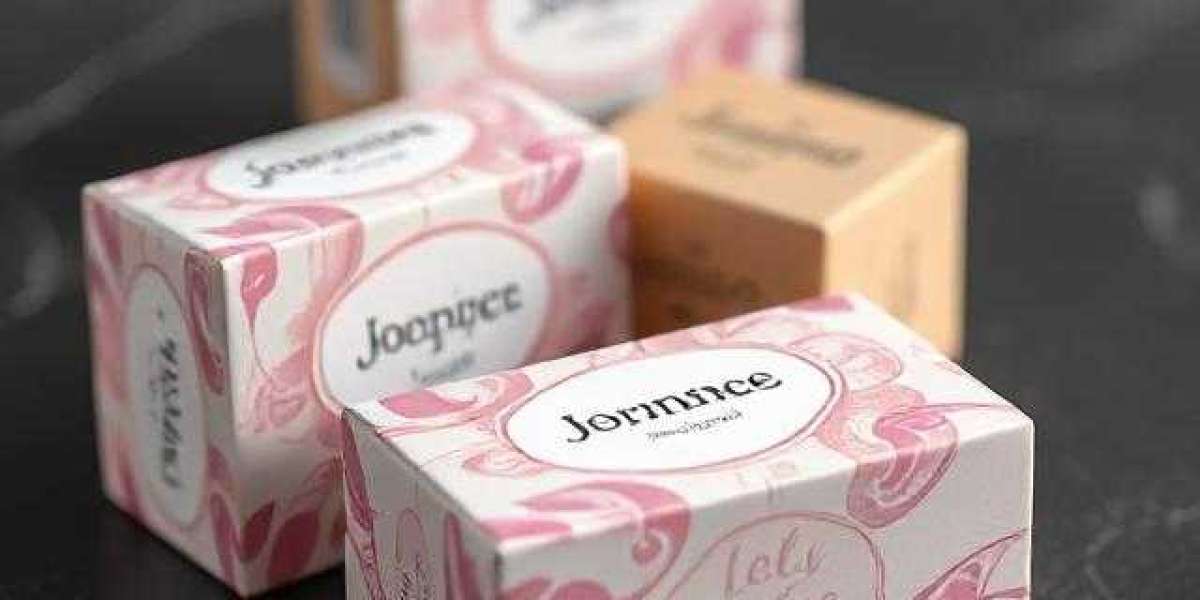

Handmade soap is one of those products people love to pick up, sniff, and inspect. The wrap has to do a tricky job: protect the bar, keep it looking fresh, and still let the craft show through. Whether you sell at markets, boutiques, or online, choosing the right soap wrapping paper can improve presentation, reduce mess, and strengthen your brand story—without adding unnecessary cost or waste.
Why soap wrap matters more than most makers expect
Soap is sensitive to its environment. Humidity, temperature changes, and friction during transport can all affect how a bar looks (and how it smells when someone opens it). A good wrap helps with:
- Scuff resistance: Prevents scratches, dents, and rubbed-off edges
- Scent control: Balances aroma release—inviting, not overpowering
- Moisture management: Helps avoid sweating or tackiness in humid conditions
- Clean handling: Keeps oils, botanicals, or colorants from transferring to other items in a bag
Common wrapping materials (and when they make sense)
Different soap bar wraps create different customer expectations. Here are the most common options and what they communicate:
- Kraft paper wrap: Natural, earthy, artisan vibes. Works well with simple branding and botanical positioning.
- Glassine or grease-resistant sheets: Great when your bars have high oil content, vivid colorants, or a smoother finish you want to preserve.
- Tissue-style wrap: Soft, gift-like, and lightweight—often used as a secondary layer with a label or belly band.
- Waxed or coated paper: Better barrier properties, but you’ll want to confirm recyclability and local disposal norms if sustainability is part of your message.
If you’re selling online, consider how the wrap performs under friction inside a mailer. A wrap that looks perfect on a display table may scuff during shipping unless it’s paired with an outer sleeve or protective packing.
Branding ideas that don’t overwhelm the handmade feel
Soap buyers often prefer “small batch” aesthetics over loud packaging. Instead of covering the bar with ink-heavy designs, consider:
- A simple belly band with logo, scent name, and key ingredients
- A minimal label placed consistently for a clean shelf look
- Stamped or textured details (where possible) for a tactile, craft feel
- Color systems (one accent color per scent) to make browsing easy
Also include the practical info customers look for: weight, ingredients, scent notes, and care instructions (e.g., “Let dry between uses”).
Moisture, curing, and storage: what wrapping can (and can’t) fix
A wrap can’t rescue a bar that hasn’t cured long enough, but it can help maintain quality once it’s ready. If you live in a humid climate or sell in warm seasons, choose a material that reduces surface tackiness and protects edges. For glycerin-heavy or melt-and-pour bars, you may need stronger moisture barriers than cold-process soaps typically require.
Tip: test wraps by storing a few wrapped bars in real conditions (market bins, shipping boxes, bathroom humidity) for a week. You’ll learn more from that than any spec sheet.
Sustainability without greenwashing
If your customers value eco-friendly choices, align the wrap with your values and be clear about it:
- Use recyclable or compostable materials where feasible
- Avoid oversized wraps that add bulk without benefit
- Consider right-sized wraps and minimal ink coverage
- Be honest in your messaging (“recyclable where facilities exist” is better than vague claims)
Final thought
Great soap deserves packaging that protects the details you worked hard to create—swirls, botanicals, clean edges, and signature scents. If you’re exploring wrap styles, finishes, or branded add-ons that still feel true to handmade quality, Custom Designs Boxes can help you find packaging options that match your product aesthetic and practical needs.