
Introduction
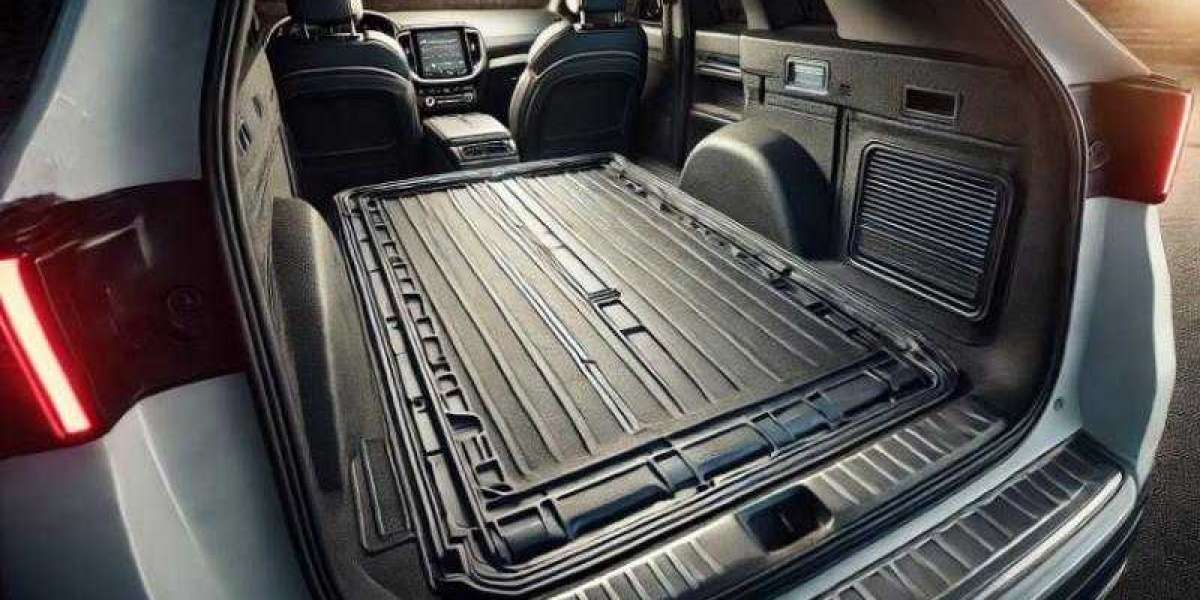
The automotive load floor market is an important segment of the vehicle interior and cargo management industry, focused on components that form the base of a vehicle’s luggage or cargo area. Automotive load floors are designed to provide a flat, durable, and functional surface for storing goods, luggage, and equipment. They are commonly used in passenger cars, SUVs, crossovers, hatchbacks, and commercial vehicles, and may incorporate features such as adjustable heights, underfloor storage, foldable panels, and modular configurations.
As consumer preferences shift toward vehicles with higher practicality and flexible interior layouts, the role of load floors has become increasingly significant. Modern load floors not only support cargo but also contribute to vehicle aesthetics, weight optimization, noise reduction, and overall user convenience. Rising demand for SUVs and multi-purpose vehicles, along with continuous innovation in interior design and materials, is driving steady growth in the global automotive load floor market.
Market Drivers
One of the primary drivers of the automotive load floor market is the growing popularity of SUVs, crossovers, and hatchbacks. These vehicle segments emphasize cargo flexibility and everyday usability, making load floor design a key differentiator. Adjustable and multi-level load floors allow users to optimize cargo space, accommodate different types of luggage, and maintain a flat loading surface.
Increasing consumer focus on convenience and interior functionality is another major driver. Buyers expect smart storage solutions, easy access to cargo areas, and seamless folding mechanisms. Load floors with integrated storage compartments, anti-slip surfaces, and lightweight structures enhance user experience and add value to vehicles across mid-range and premium segments.
Vehicle lightweighting trends also support market growth. Automakers are under pressure to reduce vehicle weight to improve fuel efficiency and extend electric vehicle range. Advanced load floor designs using lightweight composites, engineered plastics, and honeycomb structures help reduce overall vehicle mass while maintaining strength and durability.
Market Challenges
Despite steady growth, the automotive load floor market faces several challenges. Cost sensitivity is a key issue, particularly in entry-level vehicles. Advanced load floor systems with modular designs, premium materials, or integrated features can increase production costs, limiting adoption in budget-oriented models.
Material durability and performance consistency also pose challenges. Load floors must withstand repeated loading, heavy weights, and exposure to moisture, dirt, and temperature variations. Ensuring long-term durability without adding excessive weight or cost requires careful material selection and engineering.
Design and integration complexity present additional challenges. Load floors must align with vehicle body structures, seating systems, and safety requirements while maintaining ease of installation and serviceability. Customization across different vehicle models and platforms increases development complexity for manufacturers.
Market Opportunities
Technological advancements present significant opportunities for the automotive load floor market. Development of advanced composite materials and modular structures enables stronger, lighter, and more versatile load floors. These innovations help automakers meet efficiency targets while enhancing cargo functionality.
The rise of electric vehicles offers another major opportunity. Electric vehicles often feature flat floor architectures and underfloor battery packs, creating new possibilities for innovative load floor designs and storage solutions. Customized load floors can help optimize space utilization and improve overall cabin and cargo flexibility in EV platforms.
Emerging markets represent strong long-term growth potential. Increasing vehicle ownership, rising demand for SUVs, and improving consumer expectations for interior quality in developing regions are driving adoption of enhanced cargo management solutions. Localized production and cost-optimized designs will further support market expansion in these regions.
Regional Insights
Asia-Pacific holds a leading share of the automotive load floor market due to high vehicle production volumes and strong demand for compact SUVs and hatchbacks. Countries such as China, India, and Japan are major contributors, supported by expanding middle-class populations and rising preference for practical vehicles.
Europe represents another significant market, driven by demand for premium interiors and versatile vehicle designs. Automakers in the region emphasize modular cargo solutions and lightweight materials, supporting adoption of advanced load floor systems.
North America also contributes substantially to the market, supported by high demand for SUVs, crossovers, and pickup-based passenger vehicles. Consumers in the region value spacious cargo areas and flexible storage solutions, driving steady demand for innovative load floor designs.
Future Outlook
The future of the automotive load floor market is closely linked to trends in vehicle electrification, interior modularity, and user-centric design. Load floors are expected to become lighter, more adaptable, and increasingly integrated with smart storage and interior systems. Use of sustainable and recyclable materials will gain importance as automakers focus on environmental responsibility.
As vehicles evolve to meet diverse lifestyle and mobility needs, load floor design will play a growing role in overall vehicle differentiation. Long-term market growth will be supported by SUV and EV adoption, material innovation, and rising consumer expectations for practicality and comfort.
Conclusion
The automotive load floor market is a vital component of modern vehicle interior and cargo management systems, enhancing practicality, flexibility, and user convenience. Driven by growth in SUVs, demand for functional interiors, and lightweighting trends, the market continues to expand steadily worldwide. While challenges related to cost, durability, and design complexity persist, opportunities in electric vehicle platforms, advanced materials, and emerging markets are strengthening long-term prospects. As automotive interiors become more versatile and user-focused, load floors will remain essential elements of vehicle design and functionality.