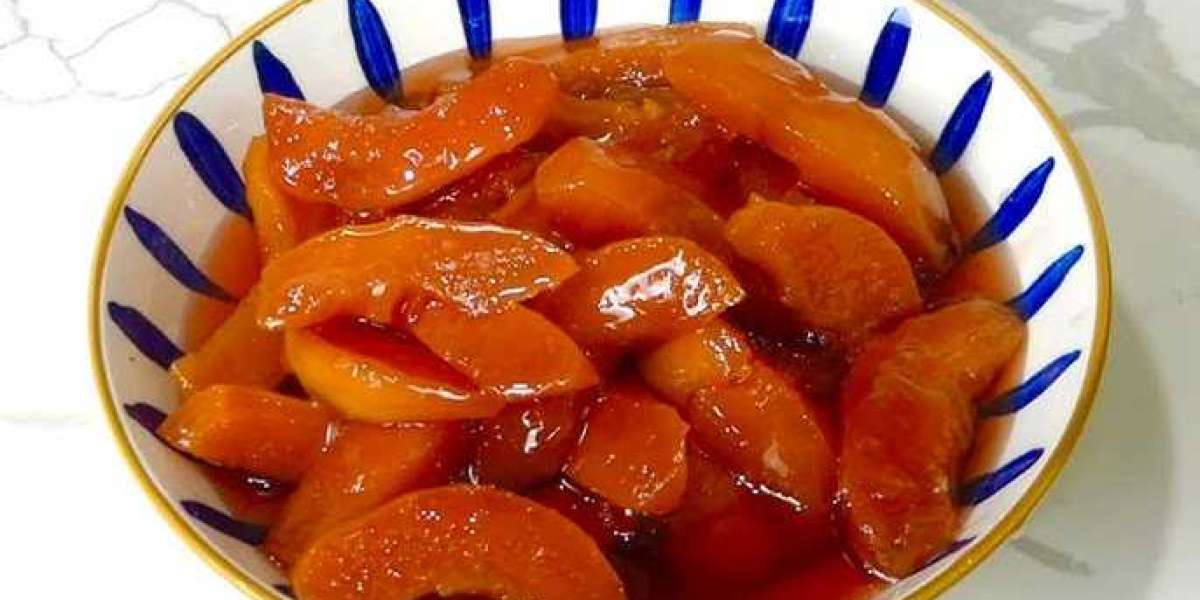

Quince fruit in Pakistan is slowly gaining recognition for its unique flavor, aroma, and health benefits. Despite being less popular than apples or pears, this golden-yellow fruit has a rich history and nutritional value that make it a hidden gem in Pakistani orchards. Its distinct fragrance, tart-sweet taste, and versatile culinary uses are contributing to a growing interest among health-conscious consumers and culinary enthusiasts alike.
What is Quince Fruit?
Quince is a pome fruit, closely related to apples and pears, known for its bright yellow skin and aromatic qualities. Unlike its relatives, raw quince is hard and sour, which makes it unsuitable for direct consumption. However, cooking transforms it into a soft, fragrant, and flavorful treat. Quince fruit in Pakistan is commonly used in jams, jellies, desserts, and traditional recipes, making it a versatile addition to local cuisine.
History and Cultivation of Quince in Pakistan
Quince has been cultivated in regions of Central Asia and the Middle East for centuries. In Pakistan, it is primarily grown in cooler areas such as the northern regions, including Murree, Abbottabad, and Swat. The fruit thrives in subtropical to temperate climates with well-drained soil. Quince trees are resilient and can tolerate drought conditions, making them suitable for the varied climatic zones in Pakistan.
Farmers in Pakistan have started recognizing the economic potential of quince cultivation, especially for processing into value-added products like quince jelly, syrup, and confectionery. With proper marketing and consumer awareness, quince fruit in pakistan can become a niche but profitable agricultural product.
Nutritional Benefits of Quince
Quince fruit is a powerhouse of nutrition, containing essential vitamins, minerals, and antioxidants. Regular consumption of quince can offer multiple health benefits:
Rich in Vitamin C: Supports immunity and promotes skin health.
High Fiber Content: Aids digestion and helps maintain a healthy gut.
Low in Calories: Ideal for those monitoring weight or blood sugar levels.
Antioxidant Properties: Helps combat oxidative stress and inflammation.
In Pakistan, where lifestyle-related diseases are on the rise, introducing nutrient-rich fruits like quince can contribute to better health outcomes.
Culinary Uses of Quince in Pakistan
Although raw quince is not commonly eaten, it has wide culinary applications when cooked. Quince fruit in Pakistan is often turned into jams, preserves, and syrups that complement traditional Pakistani dishes. Some popular uses include:
Quince Jam and Jelly
Quince jam and jelly are staples in Pakistani households during the fruiting season. The natural pectin in quince makes it ideal for gel-like textures, perfect for spreading on bread or using in desserts.
Quince Syrup and Cordial
Quince syrup, known locally as “murraba,” is made by cooking the fruit with sugar and spices. This sweet, aromatic syrup is commonly served as a condiment with breakfast or added to tea.
Quince in Traditional Pakistani Recipes
Chefs and home cooks are experimenting with quince in stews, meat dishes, and rice preparations. Its subtle tartness pairs well with meat, adding a unique flavor profile to classic Pakistani recipes.
How to Select and Store Quince
Choosing the right quince fruit is important for enjoying its full flavor and aroma. Look for fruits that are firm, bright yellow, and free of blemishes. Avoid any that are overly soft or brown, as this indicates overripeness or spoilage.
For storage, quince can last up to a month when kept in a cool, dry place. Refrigeration extends its shelf life further. If you want to preserve quince for long-term use, making jam, syrup, or drying the fruit are excellent options.
Growing Quince in Pakistan: Tips for Farmers
Quince cultivation in Pakistan has the potential to expand, given the right knowledge and care. Farmers interested in planting quince should consider these tips:
Climate: Prefers temperate climates with mild winters and warm summers.
Soil: Well-drained, loamy soil is ideal. Avoid waterlogged areas.
Watering: Regular watering is essential during the growing season, but the plant is drought-tolerant once established.
Pest Control: Monitor for common pests such as aphids and caterpillars; organic methods can be effective.
Harvesting: Fruits are typically harvested in late autumn when they turn bright yellow.
With proper care, a quince orchard can produce high-quality fruit that meets both domestic and export market standards.
Market Potential of Quince Fruit in Pakistan
Although quince fruit in Pakistan is not as commercially popular as apples or mangoes, there is a growing niche market. Health-conscious consumers, gourmet restaurants, and food processors are driving demand for quince products. Processing quince into jams, syrups, and preserves not only adds value but also extends the fruit’s shelf life, making it viable for urban markets.
Export opportunities also exist, especially in the Middle East, where Pakistani quince can be marketed as an exotic fruit with unique culinary applications. Promoting quince as a “superfruit” with multiple health benefits could significantly boost its market appeal.
Challenges in Promoting Quince
Despite its potential, quince fruit faces challenges in Pakistan:
Low Awareness: Many consumers are unfamiliar with quince and how to use it.
Limited Commercial Production: Small-scale cultivation limits availability in urban markets.
Short Shelf Life: Fresh quince does not store for long without proper refrigeration or processing.
Educational campaigns, cooking demonstrations, and collaborations with food bloggers and chefs can help overcome these challenges, making quince a familiar and desirable fruit among Pakistani consumers.
Conclusion
Quince fruit in Pakistan holds great promise both nutritionally and economically. Its rich aroma, unique flavor, and multiple health benefits make it a fruit worth exploring. While awareness is still growing, the potential for quince-based products like jam, syrup, and traditional recipes is significant. For farmers, investing in quince cultivation could become a rewarding venture, and for consumers, discovering quince opens doors to new tastes and healthier eating habits.
As interest continues to grow, quince may soon earn a permanent place in Pakistani kitchens, both as a fresh fruit and as a versatile ingredient in traditional and modern culinary creations.