
Introduction
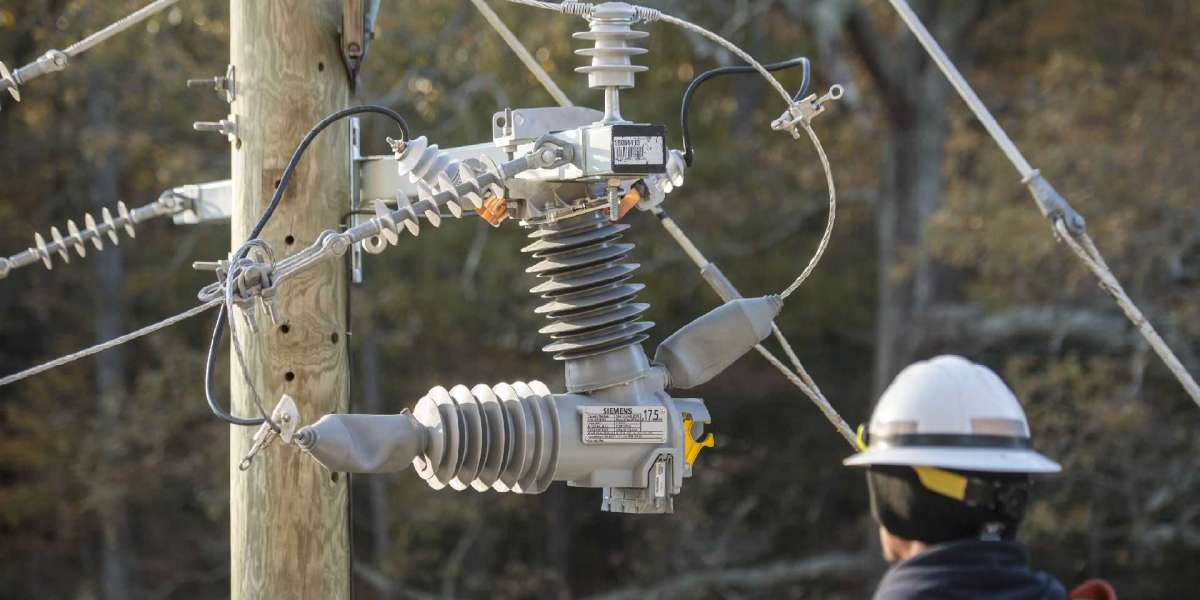
The Hydraulic Recloser Market is a key segment of the power distribution automation landscape, focused on improving grid reliability and reducing outage durations in overhead distribution networks. Hydraulic reclosers are protective devices installed on distribution lines that automatically detect faults, interrupt current flow, and reclose after a preset time to restore service if the fault is temporary. Unlike electronic or microprocessor-based reclosers, hydraulic reclosers rely on mechanical and hydraulic mechanisms for fault sensing and timing, making them simple, robust, and well-suited for rural and semi-urban networks. These devices play a critical role in minimizing customer interruptions caused by transient faults such as lightning strikes, tree contact, or temporary conductor clashes. As utilities aim to enhance distribution reliability while managing costs, hydraulic reclosers continue to be widely deployed, particularly in regions with long feeder lines and limited communication infrastructure.
Market Drivers
One of the primary drivers of the Hydraulic Recloser Market is the ongoing need to improve power distribution reliability in cost-sensitive environments. Many utilities operate extensive overhead networks in rural and remote areas where transient faults are common and manual fault restoration is time-consuming. Hydraulic reclosers automatically restore service without operator intervention, significantly reducing outage duration and maintenance effort. Another key driver is the simplicity and durability of hydraulic reclosers compared to electronic alternatives. Their self-contained operation, independence from external power supplies, and resistance to harsh environmental conditions make them attractive for areas with limited infrastructure. Grid expansion and electrification programs in developing regions are also driving demand, as hydraulic reclosers provide a cost-effective solution for feeder protection. Additionally, replacement of aging electromechanical protection devices in existing networks is supporting steady market growth, as utilities modernize distribution systems incrementally.
Market Challenges
Despite continued adoption, the Hydraulic Recloser Market faces several challenges. Limited functionality compared to electronic and digital reclosers is a key constraint, as hydraulic devices lack advanced features such as remote control, communication, and detailed fault diagnostics. As smart grid initiatives expand, some utilities are prioritizing intelligent reclosers that offer real-time monitoring and integration with distribution management systems. Maintenance requirements related to hydraulic mechanisms, including fluid integrity and mechanical wear, can impact long-term performance if not properly managed. Coordination with other protection devices can be less flexible compared to programmable digital reclosers. In addition, declining costs of electronic reclosers in certain markets are increasing competitive pressure. Regulatory and technical standards in some regions are also evolving toward more advanced protection and automation solutions.
Market Opportunities
The market presents meaningful opportunities in regions where simplicity, reliability, and affordability remain top priorities. Expanding rural electrification and distribution network upgrades in emerging economies create strong demand for hydraulic reclosers, particularly on long radial feeders. Harsh environments with extreme temperatures, high humidity, or limited access to maintenance personnel favor hydraulic designs due to their ruggedness. Utilities seeking staged automation strategies may continue deploying hydraulic reclosers initially, with plans to upgrade to electronic systems later. Refurbishment and replacement of legacy reclosers also provide recurring opportunities for manufacturers and service providers. Additionally, design improvements aimed at enhancing reliability, reducing maintenance, and extending service life can strengthen the value proposition of hydraulic reclosers in targeted applications.
Regional Insights
Asia-Pacific represents a significant share of the Hydraulic Recloser Market due to extensive rural distribution networks and ongoing electrification programs. Utilities in this region often prioritize cost-effective and robust solutions suitable for remote installations. Africa is another important market, driven by expanding access to electricity, overhead line deployment, and the need for simple protection devices that operate reliably without complex infrastructure. Latin America shows steady demand supported by rural feeders, agricultural loads, and distribution network upgrades. North America and Europe represent mature markets where hydraulic reclosers are primarily used in rural areas or as replacements for older devices, although overall growth is moderate due to increasing adoption of electronic alternatives. The Middle East also contributes through grid expansion projects in remote and industrial regions.
Future Outlook
The future outlook for the Hydraulic Recloser Market is stable but application-specific. While advanced digital reclosers will dominate smart and urban grids, hydraulic reclosers are expected to maintain relevance in rural, remote, and cost-sensitive distribution networks. Demand will be sustained by electrification initiatives, feeder reliability programs, and replacement of aging protection equipment. Incremental design improvements focused on durability and reduced maintenance will enhance long-term adoption. As utilities balance reliability improvement with budget constraints, hydraulic reclosers will continue to serve as practical and dependable protection solutions where advanced automation is not immediately required.
Conclusion
The Hydraulic Recloser Market plays an important role in improving reliability and resilience of power distribution networks, particularly in rural and remote areas. Driven by the need for automatic fault restoration, cost-effective protection, and rugged performance, the market continues to show steady demand. Although challenges related to limited functionality and competition from electronic reclosers exist, hydraulic reclosers remain well-suited for specific applications where simplicity and reliability are paramount. With ongoing grid expansion and electrification efforts worldwide, hydraulic reclosers are set to remain a valuable component of distribution protection strategies.