
Introduction
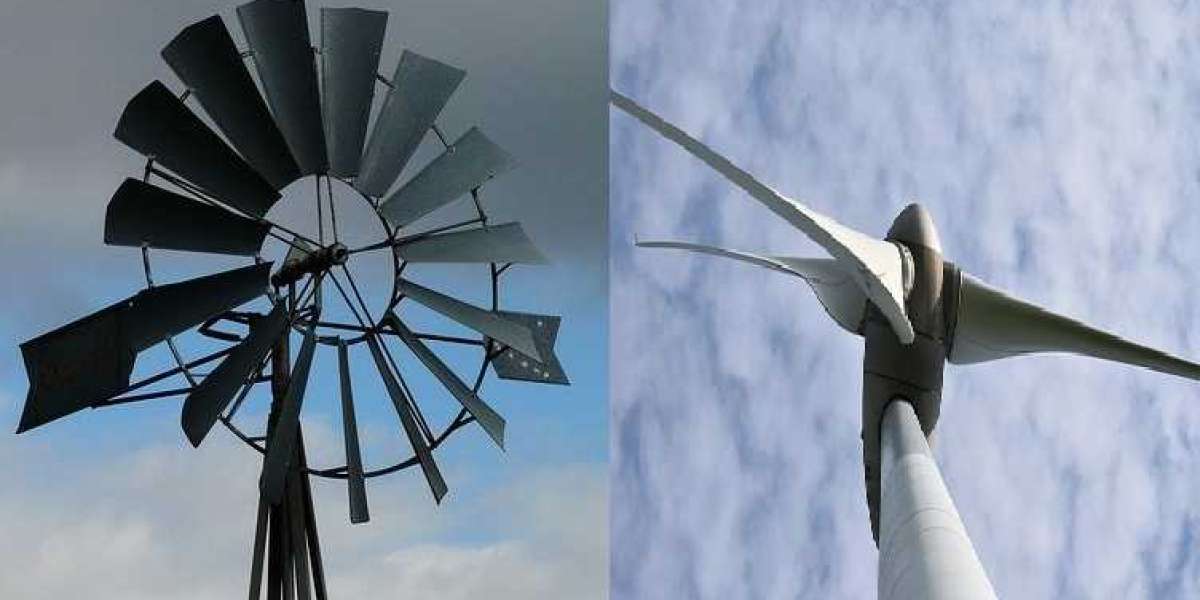
The wind turbine blade market is a vital segment of the global renewable energy industry, directly influencing the efficiency, reliability, and output of wind power systems. Wind turbine blades capture kinetic energy from wind and convert it into rotational motion, making blade design and performance critical to overall turbine efficiency. Modern blades are manufactured using advanced composite materials and engineered aerodynamics to maximize energy capture while withstanding harsh environmental conditions. As countries accelerate the transition toward clean energy, wind power capacity continues to expand across onshore and offshore installations. This expansion drives consistent demand for high performance blades capable of operating efficiently over long service lives. With increasing turbine sizes and technological sophistication, the wind turbine blade market has become central to achieving cost effective and sustainable wind energy generation worldwide.
Market Drivers
One of the primary drivers of the wind turbine blade market is the rapid growth in global wind energy installations. Governments are setting ambitious renewable energy targets to reduce carbon emissions and dependence on fossil fuels, leading to large scale wind farm development. Technological advancements enabling larger rotor diameters have increased the importance of advanced blade designs that improve energy capture at lower wind speeds. Offshore wind projects are another major driver, as offshore turbines require longer and more robust blades to operate efficiently in marine environments. Declining levelized cost of wind energy has improved project economics, encouraging further investment. Additionally, repowering of aging wind farms with larger and more efficient blades contributes to replacement demand. Supportive policies, incentives, and long term power purchase agreements further strengthen market growth.
Market Challenges
Despite strong demand, the wind turbine blade market faces several challenges. Manufacturing large blades requires significant capital investment, specialized facilities, and skilled labor. Transportation and installation of oversized blades present logistical challenges, particularly for onshore projects located in remote areas. Blade durability and maintenance are critical concerns, as exposure to extreme weather, erosion, and fatigue can impact performance and lifespan. Recycling and disposal of composite blade materials pose environmental challenges, as traditional materials are difficult to recycle. Supply chain disruptions and raw material price volatility can affect production timelines and costs. In offshore applications, installation complexity and harsh operating conditions increase risk and maintenance requirements. Addressing these challenges requires continuous innovation in materials, design, and manufacturing processes.
Market Opportunities
The wind turbine blade market offers significant opportunities driven by innovation and evolving energy needs. Development of lightweight and high strength composite materials enables longer blades with improved performance and reduced structural load. Advancements in aerodynamic design and digital simulation tools are enhancing blade efficiency and reliability. Growing focus on blade recycling and circular economy solutions presents opportunities for sustainable material development. Expansion of offshore wind energy, including floating wind farms, creates demand for specialized blade designs tailored for dynamic conditions. Emerging markets investing in wind energy infrastructure offer new growth avenues for blade manufacturers. Digital monitoring and condition based maintenance systems provide opportunities to extend blade life and reduce downtime, improving overall project economics.
Regional Insights
Asia Pacific dominates the wind turbine blade market due to large scale wind power installations and strong manufacturing capacity. Countries in this region continue to invest heavily in renewable energy to meet growing electricity demand. Europe represents a mature market driven by offshore wind development, technological innovation, and strict environmental regulations. North America shows steady growth supported by onshore wind projects, repowering initiatives, and supportive policy frameworks. The Middle East and Africa are emerging markets where wind energy is gaining traction as part of energy diversification strategies. Latin America is also witnessing increasing adoption driven by favorable wind resources and renewable energy policies. Regional demand patterns are shaped by policy support, wind resource availability, and investment levels.
Future Outlook
The future of the wind turbine blade market appears strong as wind energy continues to expand globally. Continued innovation will focus on increasing blade length, improving aerodynamic efficiency, and enhancing material durability. Automation and digitalization in manufacturing will improve quality control and reduce production costs. Sustainable blade materials and recycling solutions are expected to gain importance as environmental considerations intensify. Offshore wind growth will remain a major driver, requiring advanced blade designs capable of handling challenging conditions. As turbine technology evolves, blade performance will remain a key factor in improving energy output and reducing the cost of wind power generation.
Conclusion
The wind turbine blade market is a critical enabler of global wind energy development, supporting efficient and reliable power generation. Strong drivers such as renewable energy targets, technological advancement, and offshore wind expansion continue to fuel market growth. While challenges related to manufacturing complexity, logistics, and sustainability exist, ongoing innovation is addressing these constraints. Opportunities in advanced materials, recycling solutions, and emerging markets further enhance long term prospects. As wind energy plays an increasingly important role in the global energy mix, wind turbine blades will remain central to achieving sustainable and cost effective renewable power generation worldwide.