
The Czech Republic’s uninterruptible power supply (UPS) market is expanding steadily, driven by digital transformation, rising data-center investments, increased dependence on automation, and broader emphasis on operational resilience. Alongside traditional considerations such as efficiency and redundancy, a newer dimension is emerging: protection against electromagnetic pulse (EMP) and intentional electromagnetic interference (IEMI). As critical infrastructure becomes more digitized, EMP resilience is becoming a strategic requirement — not just an optional enhancement.
2. UPS Market Landscape in the Czech Republic
Market Growth Drivers
The Czech UPS market is influenced by several converging trends:
• Data Center Expansion
Prague, Brno, and Ostrava continue to see growth in colocation and enterprise data centers. These facilities require medium- and large-scale three-phase UPS systems — often modular — as well as advanced battery technologies to ensure seamless uptime.
• Industrial Automation
Czech manufacturing, especially automotive and high-tech sectors, depends heavily on automation and robotics. This pushes demand for high-quality power protection systems capable of stabilizing voltage, filtering disturbances, and providing uninterrupted power during outages.
• Healthcare, Public Sector Telecom
Hospitals, emergency services, and telecom operators operate mission-critical equipment that cannot afford even seconds of downtime. This sector maintains strong, recurring demand for robust UPS systems with strict redundancy and testing requirements.
• Energy Security Resilience
Energy volatility across Central Europe has driven organizations to reinforce backup power strategies, integrating UPS, battery storage, and generators in hybrid configurations.
3. Market Segmentation
Primary UPS Segments
Single-phase UPS: SMBs, retail, IT rooms, edge computing sites.
Three-phase UPS: Data centers, industry, hospitals.
Modular UPS: Rapidly rising segment due to scalability, ease of maintenance, and high efficiency.
Battery Technologies:
VRLA (lead-acid) remains widespread.
Lithium-ion adoption is growing due to longer lifespan, reduced footprint, and lower lifecycle cost.
Applications in the Czech Republic
Data centers and cloud service providers
Telecommunications hubs and mobile networks
Industrial automation and process control
Healthcare and laboratories
Banking and government facilities
Transportation and logistics systems
4. Competitive Landscape
The Czech UPS market is primarily served by global manufacturers with strong local integration networks:
Eaton
Schneider Electric (APC)
Vertiv
ABB
Delta Electronics
Riello UPS
Socomec
Legrand
These vendors work with Czech engineering firms, electrical contractors, and system integrators for installation, commissioning, and long-term service agreements. Local partners are especially important for customization, compliance with Czech standards, and maintenance responsiveness.
5. EMP Threats and Their Relevance to UPS Systems
What Is an EMP?
An electromagnetic pulse (EMP) is a burst of electromagnetic energy capable of damaging or disrupting electronic equipment. EMP threats can come from:
High-altitude nuclear events
Intentional electromagnetic interference (IEMI)
Directed energy weapons (DEW)
Severe solar storms (geomagnetic disturbances)
Why EMP Matters for Czech Infrastructure
Critical infrastructure — data centers, telecom exchanges, control systems, financial networks — relies on sensitive electronics and power-conversion equipment. UPS systems, with their power electronics and battery management circuitry, are vulnerable to high-energy transients unless adequately protected.
Effects EMP May Cause
Damage to switching components, rectifiers, inverters, and control boards
Disruption of data center equipment even if UPS remains functional
Induced currents in cables leading to equipment failure
Grid-level disruptions that trigger prolonged outages
EMP protection therefore needs to extend beyond the UPS itself to the entire electrical and data environment.
6. EMP Resilience Strategies for UPS Installations
A. Engineering Procurement Measures
Favor online double-conversion UPS with strong electromagnetic immunity.
Require compliance with stringent surge and transient voltage suppression standards.
Use modular UPS topologies that offer redundancy and rapid fault isolation.
B. Shielding Grounding
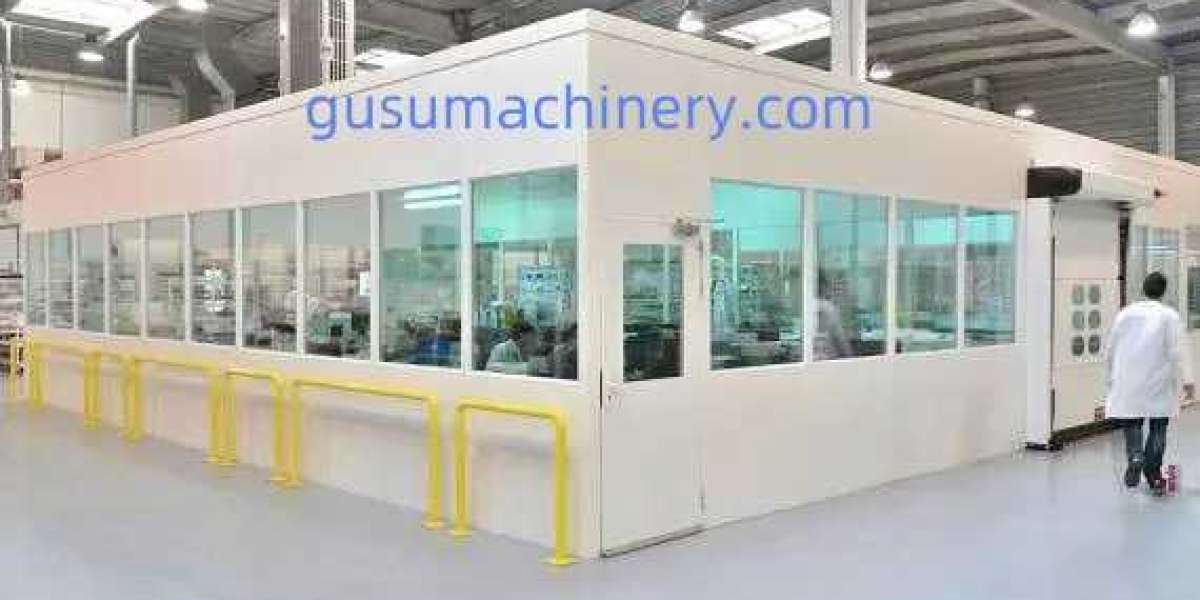
Apply Faraday cage principles to critical rooms or racks.
Use shielded cabling, filtered cable entries, and properly bonded grounding systems.
Ensure all metallic infrastructure is correctly earthed and interconnected.
C. Surge Protection Strategy
Deploy multi-layer surge protection:
Type 1 SPD at service entrance
Type 2 SPD in distribution panels
Type 3 SPD near sensitive equipment
Add EMI/RFI filters on key circuits.
D. Operational Practices
Physically separate redundant UPS chains to avoid common-mode failures.
Maintain spare critical components (power modules, control boards).
Conduct periodic testing and resilience exercises, including simulated transient events.
7. Opportunities for Suppliers and Integrators
Growing EMP awareness in the Czech Republic opens new opportunities:
Turnkey power resilience engineering
Hybrid UPS + battery storage systems
EMP-hardened data rooms for government, finance, and telecom clients
Li-ion retrofit programs for aging UPS fleets
Remote monitoring and predictive maintenance services
As compliance requirements increase across the EU, firms that can combine power engineering with electromagnetic security expertise will gain competitive advantage.