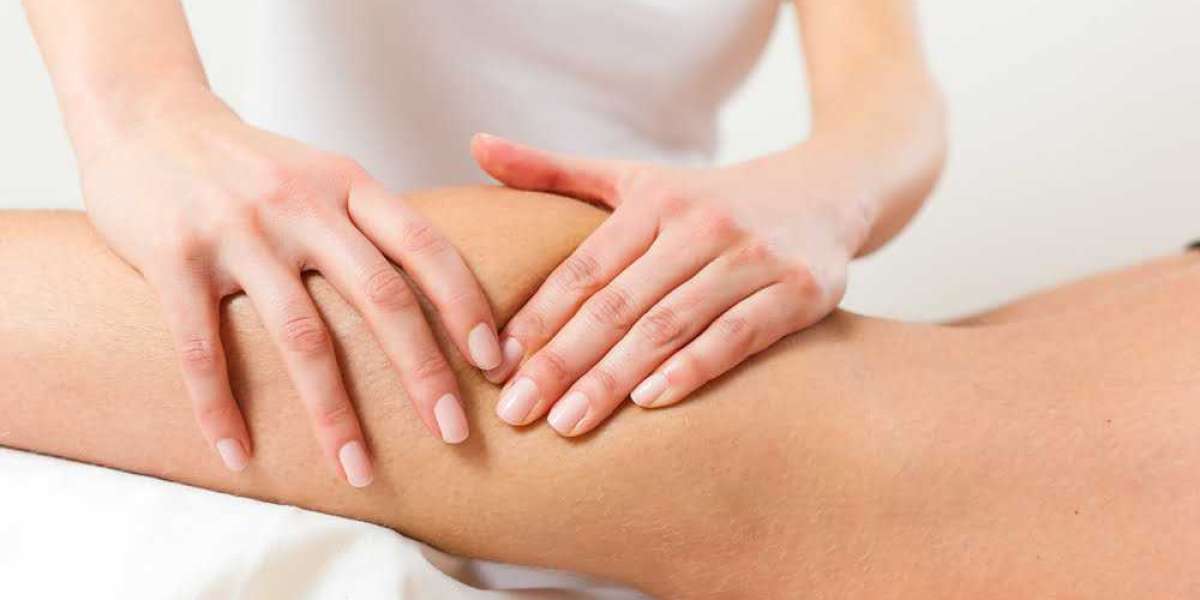

When it comes to improving your health and relaxation, massage therapy offers a variety of techniques, each designed with a specific purpose. Among these, Lymphatic Massage has gained increasing attention for its unique ability to support the body’s natural detoxification process. While it may sound similar to traditional massage, the differences between lymphatic drainage and regular massage are significant, and understanding them can help you choose the right approach for your needs.
Understanding the Purpose of Each Technique:
Lymphatic drainage focuses on stimulating the lymphatic system to encourage the movement of lymph fluid, which helps remove toxins, waste, and excess fluids from the body, while regular massage is primarily aimed at relieving muscle tension, improving flexibility, and promoting relaxation through the manipulation of soft tissues, and although both offer health benefits, their core purposes are fundamentally different.
Differences in Technique and Pressure:
One of the most noticeable differences lies in the technique and level of pressure used, as lymphatic drainage involves light, rhythmic, and precise movements that target lymph pathways just beneath the skin, whereas regular massage often uses deeper pressure to work through muscle knots and tension, making it more intense and sometimes even slightly uncomfortable depending on the individual’s needs.
How Each Affects the Body:
These two approaches impact the body in distinct ways, with lymphatic drainage supporting internal processes like detoxification and immune function by enhancing fluid movement, while regular massage focuses on musculoskeletal benefits such as reducing stiffness, improving circulation to muscles, and relieving pain, meaning the choice between them depends largely on whether your goal is internal balance or muscular relief.
Key Benefits Compared:
Both methods offer valuable advantages, but they cater to different aspects of health and wellness:
- Lymphatic drainage benefits:
- Supports detoxification
- Reduces swelling and fluid retention
- Enhances immune function
- Improves skin clarity and tone
- Regular massage benefits:
- Relieves muscle tension and soreness
- Improves flexibility and mobility
- Reduces stress and promotes relaxation
- Helps with pain management
Understanding these benefits can help you decide which approach aligns best with your current needs.
Who Should Choose Lymphatic Drainage:
This technique is ideal for individuals looking to support their body’s natural detox processes, reduce puffiness, or improve immune health, and it is particularly beneficial for those recovering from surgery, dealing with fluid retention, or experiencing fatigue and sluggishness, as well as individuals interested in enhancing their overall wellness through gentle and non-invasive methods.
Who Should Choose Regular Massage:
Regular massage is better suited for those dealing with muscle-related issues such as tension, stiffness, or chronic pain, as well as individuals seeking stress relief or improved physical performance, making it a popular choice for athletes, people with physically demanding jobs, or anyone looking to relax and unwind after a long day.
What to Expect During Each Session:
A lymphatic drainage session is typically calm and soothing, involving gentle, repetitive movements that focus on specific areas of the body to encourage fluid flow, while a regular massage session may involve a variety of techniques such as kneading, tapping, and deep pressure, depending on the type of massage and the individual’s preferences, resulting in a more intense physical experience.
Common Misconceptions:
There are several misconceptions surrounding these therapies, such as the belief that deeper pressure always leads to better results, when in reality, lymphatic drainage relies on light touch for effectiveness, and another common misunderstanding is that both techniques serve the same purpose, when they actually address different systems within the body, making them complementary rather than interchangeable.
Can You Combine Both Techniques:
In many cases, combining both approaches can provide comprehensive benefits, as lymphatic drainage can support internal detoxification while regular massage addresses muscle tension and physical discomfort, and alternating between the two or incorporating them into a balanced wellness routine can help you achieve both relaxation and improved overall health.
How to Decide What’s Right for You:
Choosing between these therapies depends on your individual goals, lifestyle, and current health conditions, and considering what your body needs most—whether it’s detoxification, immune support, muscle relief, or stress reduction—can guide your decision:
- Choose lymphatic drainage if you want to reduce swelling or support detox
- Choose regular massage if you need muscle relaxation or pain relief
- Consider combining both for a holistic approach
Taking the time to understand your needs ensures you get the most effective results.
Final Thoughts:
While both therapies offer valuable benefits, the choice between them ultimately comes down to your personal health goals, and incorporating Lymphatic Massage or traditional massage into your routine can help you feel more balanced, energized, and relaxed, especially when used strategically to address different aspects of your well-being.