
Introduction
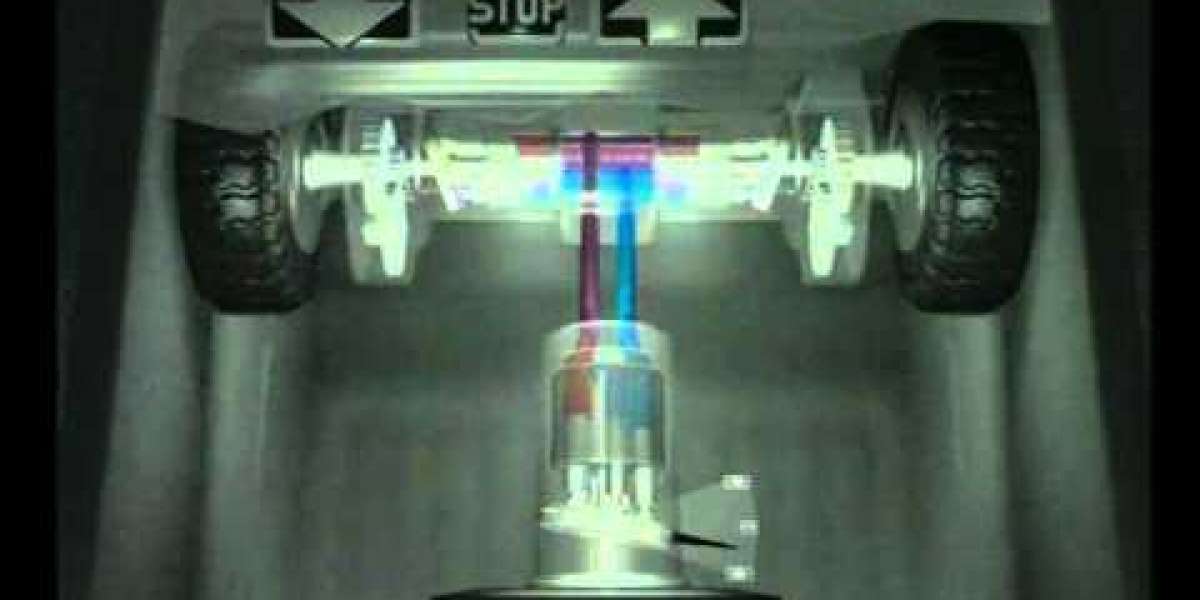
The hydrostatic transmission market is a specialized segment of the power transmission and motion control industry, focused on systems that transmit power using pressurized hydraulic fluid rather than mechanical gears. Hydrostatic transmissions use a variable-displacement pump and a hydraulic motor to deliver smooth, continuously variable speed and torque control. These systems are widely used in construction equipment, agricultural machinery, material handling vehicles, lawn and garden equipment, and certain off-highway and industrial vehicles.
Hydrostatic transmissions are valued for their precise speed control, high torque at low speeds, and ability to operate smoothly under heavy loads. Unlike conventional gear-based transmissions, hydrostatic systems allow infinite speed variation without shifting, improving operator comfort and machine efficiency. Increasing mechanization, demand for productivity in off-highway applications, and advancements in hydraulic technologies are driving steady growth in the global hydrostatic transmission market.
Market Drivers
One of the primary drivers of the hydrostatic transmission market is growing demand from construction and agricultural equipment manufacturers. Machines such as tractors, loaders, harvesters, and excavators require precise speed and torque control to operate efficiently across varying terrains and load conditions. Hydrostatic transmissions enable smooth acceleration, easy direction changes, and precise maneuvering, making them ideal for these applications.
Rising focus on operator comfort and productivity is another major driver. Hydrostatic transmissions reduce the need for frequent gear shifting, minimizing operator fatigue and improving control. This is particularly important in applications involving long operating hours, such as farming and construction, where ease of use directly impacts productivity.
Advancements in hydraulic component design also support market growth. Improvements in pumps, motors, and control valves have enhanced efficiency, durability, and power density of hydrostatic transmissions. These innovations reduce energy losses and improve overall system performance, increasing adoption across a wider range of equipment.
Market Challenges
Despite strong demand, the hydrostatic transmission market faces several challenges. Lower energy efficiency compared to mechanical transmissions is a key concern. Hydraulic systems can experience losses due to fluid leakage, heat generation, and friction, which can impact fuel efficiency in certain applications.
High initial cost and maintenance requirements also pose challenges. Hydrostatic transmissions involve precision-engineered components and require high-quality hydraulic fluid, filtration, and regular maintenance. These factors can increase total cost of ownership, particularly for cost-sensitive end users.
Thermal management presents another challenge. Hydrostatic systems generate heat during operation, especially under high loads. Effective cooling and system design are required to maintain performance and prevent component degradation, adding complexity to equipment integration.
Market Opportunities
Technological advancements present significant opportunities for the hydrostatic transmission market. Development of high-efficiency pumps and motors, improved sealing technologies, and advanced electronic controls are reducing energy losses and enhancing system responsiveness. Integration of electronic controls allows adaptive performance based on operating conditions, improving efficiency and reliability.
The growing adoption of compact and utility equipment offers another major opportunity. Compact tractors, skid steer loaders, and utility vehicles increasingly use hydrostatic transmissions due to their ease of operation and flexibility. Expansion of landscaping, municipal services, and small-scale farming supports demand in this segment.
Emerging markets represent strong long-term growth potential. Increasing mechanization in agriculture, infrastructure development, and industrial expansion in developing regions are driving demand for modern equipment equipped with hydrostatic transmissions. Localization of manufacturing and cost-optimized system designs will further support market penetration.
Regional Insights
North America holds a significant share of the hydrostatic transmission market due to strong demand for agricultural machinery, construction equipment, and lawn and garden products. High adoption of advanced equipment and focus on operator comfort support market growth across the region.
Europe represents another important market, driven by advanced agricultural practices and emphasis on precision farming. Adoption of hydrostatic transmissions in tractors and specialized machinery is widespread, supported by innovation in hydraulic technologies.
Asia-Pacific is expected to witness notable growth during the forecast period. Rapid infrastructure development, increasing agricultural mechanization, and expansion of industrial activities in countries such as China and India are driving market expansion. Growing awareness of productivity-enhancing transmission technologies further supports regional demand.
Future Outlook
The future of the hydrostatic transmission market is closely linked to advancements in efficiency, digital control, and system integration. Hydrostatic systems are expected to become more compact, efficient, and electronically controlled, enabling better performance monitoring and adaptive operation. Hybrid transmission concepts that combine hydrostatic and mechanical elements may further improve efficiency.
As industries continue to demand equipment that offers flexibility, precision, and ease of use, hydrostatic transmissions will remain relevant across off-highway and industrial applications. Long-term market growth will be supported by infrastructure development, agricultural modernization, and continuous innovation in hydraulic systems.
Conclusion
The hydrostatic transmission market plays a vital role in enabling smooth, precise, and flexible power delivery across a wide range of industrial, agricultural, and construction applications. Driven by demand for operator comfort, productivity, and advanced machinery, the market continues to grow steadily worldwide. While challenges related to efficiency, cost, and thermal management persist, opportunities in advanced hydraulics, compact equipment, and emerging markets are strengthening long-term prospects. As mechanization and automation expand globally, hydrostatic transmissions will remain essential components of modern power transmission systems.