
Introduction
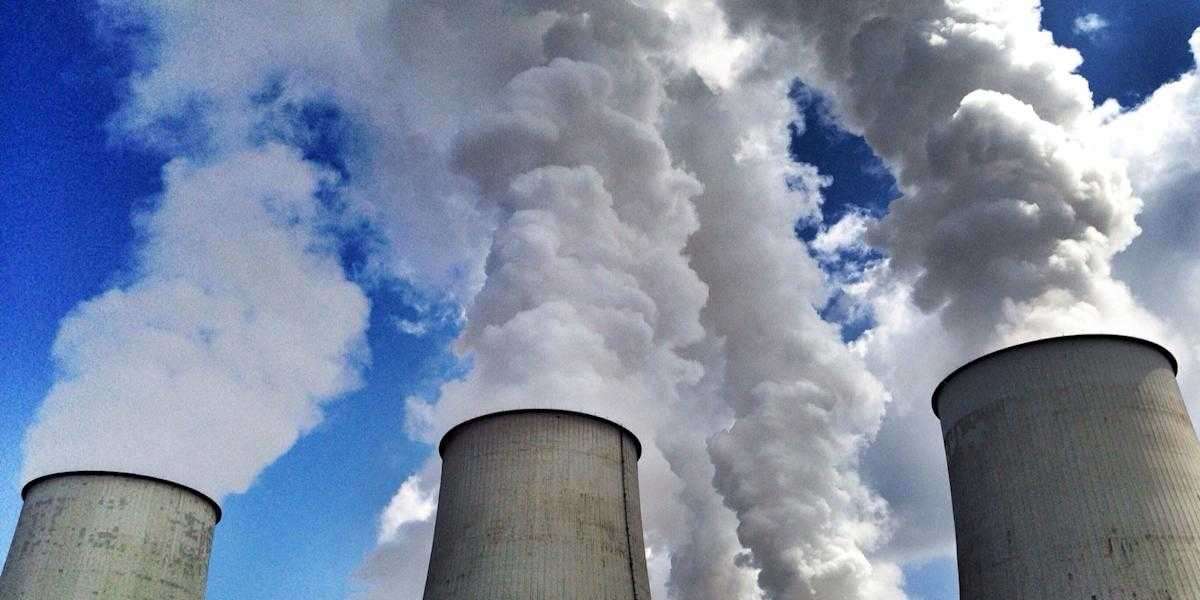
The waste heat to power market focuses on technologies that convert excess heat generated from industrial processes, power generation, and other energy-intensive operations into usable electricity. Large amounts of heat are lost during manufacturing, refining, cement production, steel processing, and power generation, often released into the environment without recovery. Waste heat to power systems capture this unused thermal energy and transform it into electrical power, improving overall energy efficiency and reducing operational costs. As industries face increasing pressure to optimize energy usage and lower emissions, waste heat recovery has become a strategic solution.
Growing concerns over climate change, rising energy prices, and stricter environmental regulations are accelerating the adoption of waste heat to power technologies. Governments and industries worldwide are recognizing the potential of these systems to enhance energy security while supporting sustainability goals. As a result, the waste heat to power market is gaining momentum across both developed and emerging economies.
Market Drivers
One of the primary drivers of the waste heat to power market is the rising focus on energy efficiency in industrial operations. Energy-intensive industries consume large volumes of fuel, and even small efficiency improvements can result in significant cost savings. Waste heat to power systems allow industries to reuse energy that would otherwise be lost, improving overall plant efficiency and reducing dependence on external power sources.
Environmental regulations and emission reduction targets are also driving market growth. Many governments have implemented policies aimed at reducing greenhouse gas emissions and promoting cleaner production methods. By converting waste heat into electricity, industries can lower fuel consumption and reduce carbon emissions, helping them comply with regulatory standards and corporate sustainability commitments.
Increasing electricity demand and rising power costs further support market expansion. Waste heat to power systems provide a reliable source of on-site electricity generation, reducing exposure to grid volatility and improving energy resilience. This is particularly valuable in regions with unstable power supply or high electricity tariffs.
Market Challenges
Despite its advantages, the waste heat to power market faces several challenges. High initial capital investment is a major barrier, especially for small and medium-sized enterprises. Installing waste heat recovery systems requires significant upfront costs related to equipment, integration, and system customization, which may deter adoption in cost-sensitive industries.
Technical complexity is another challenge. Waste heat sources vary widely in temperature, flow rate, and composition, making system design and optimization difficult. Low-temperature waste heat, in particular, is harder to convert efficiently into electricity, limiting the applicability of certain technologies.
Additionally, long payback periods can slow decision-making. While waste heat to power systems offer long-term savings, industries may hesitate to invest if returns are not immediate. Lack of awareness and technical expertise in some regions further restrict market penetration.
Market Opportunities
The growing adoption of organic Rankine cycle and other advanced conversion technologies presents significant opportunities for the waste heat to power market. These technologies are capable of converting low- and medium-temperature waste heat into electricity, expanding the range of viable applications across industries.
Emerging economies offer strong growth potential due to rapid industrialization and expanding manufacturing bases. Many developing regions are seeking cost-effective ways to meet rising energy demand while minimizing environmental impact. Waste heat to power systems provide an attractive solution by improving efficiency without requiring additional fuel consumption.
Integration with renewable energy and distributed generation systems also creates new opportunities. Waste heat recovery can complement solar, wind, and biomass power generation, enhancing overall energy system reliability. As industries move toward decentralized energy models, waste heat to power solutions are expected to gain wider adoption.
Regional Insights
North America holds a notable share of the waste heat to power market due to strong environmental regulations and early adoption of energy efficiency technologies. The presence of energy-intensive industries and supportive government incentives has encouraged investment in waste heat recovery projects.
Europe represents another major market, driven by strict emission reduction targets and a strong focus on circular economy practices. Industries in the region are increasingly investing in waste heat to power systems to improve sustainability and meet regulatory requirements.
The Asia-Pacific region is expected to witness the fastest growth over the forecast period. Rapid industrial expansion, rising energy demand, and increasing government focus on energy efficiency in countries such as China, India, and Southeast Asia are fueling market growth. Industrial clusters in this region present substantial opportunities for large-scale waste heat recovery installations.
Future Outlook
The future of the waste heat to power market appears promising as industries continue to prioritize efficiency and sustainability. Ongoing technological advancements are expected to improve conversion efficiency, reduce system costs, and shorten payback periods. Digital monitoring and optimization tools will further enhance system performance and reliability.
As global energy demand rises and environmental pressures intensify, waste heat to power systems are likely to become an integral part of industrial energy strategies. Long-term market growth will be supported by policy incentives, technological innovation, and increasing awareness of the economic and environmental benefits of waste heat recovery.
Conclusion
The waste heat to power market offers a practical solution for improving energy efficiency and reducing emissions across industrial sectors. While challenges such as high initial costs and technical complexity remain, the long-term benefits of cost savings, emission reduction, and energy resilience continue to drive adoption. With expanding industrial activity and growing emphasis on sustainable energy use, waste heat to power technologies are positioned for steady growth in the global energy landscape.