
In many fabrication shops the pressure to deliver lighter assemblies for mobility and renewable projects is rising, and that is why Aluminum Welding Wire ER5356 appears on so many material lists for structural and marine work. This filler alloy is chosen for its balance of strength and corrosion resistance when joining certain base alloys, but current trends in electrification and supply chain resilience mean welders should weigh application demands before committing to a single wire choice.
One reason ER5356 gets frequent mention is its mechanical profile relative to other common fillers. In practice it often offers higher shear and tensile behavior than silicon rich alternatives, which makes it attractive for fillet welds and assemblies that must carry load or resist stress related damage. However, trade offs exist: flow characteristics and color match after finishing may differ, so appearance sensitive or thin sheet work sometimes benefits from other alloys that melt and flow more readily.
Project context determines whether ER5356 is the sensible selection. If your assembly will face cyclic loading and corrosive atmospheres, a magnesium bearing filler can enhance longevity and reduce inspection burden over time. Conversely, if the job emphasizes ease of weld shaping, minimal finishing steps, or joining heat treatable parent metals where dilution could alter properties, you might consider alloys with different alloying elements and melting behavior to suit those constraints. Asking what the structure will experience in service is an efficient first filter when choosing filler metal.
Shop practice and qualification also guide alloy choice. When procurement and production teams coordinate early, trial welds reveal how a wire behaves on specific equipment and with local procedures. Factors such as arc stability, feed consistency and how the filler responds during anodizing or finishing can all affect which wire leads to fewer rework cycles. A short qualification run that simulates real conditions will often expose whether ER5356 or an alternative delivers the intended in service performance.
Supply chain pressures and sustainability conversations are adding another dimension to the decision. Material availability, scrap management and traceability matter to projects with tight schedules and public reporting requirements. If an alternative alloy is more readily sourced or arrives with clearer provenance and documented handling guidance, choosing it could reduce procurement friction and speed installation. Procurement teams should weigh not only metallurgy but also continuity and packaging that protect wire from humidity and contamination during transit.
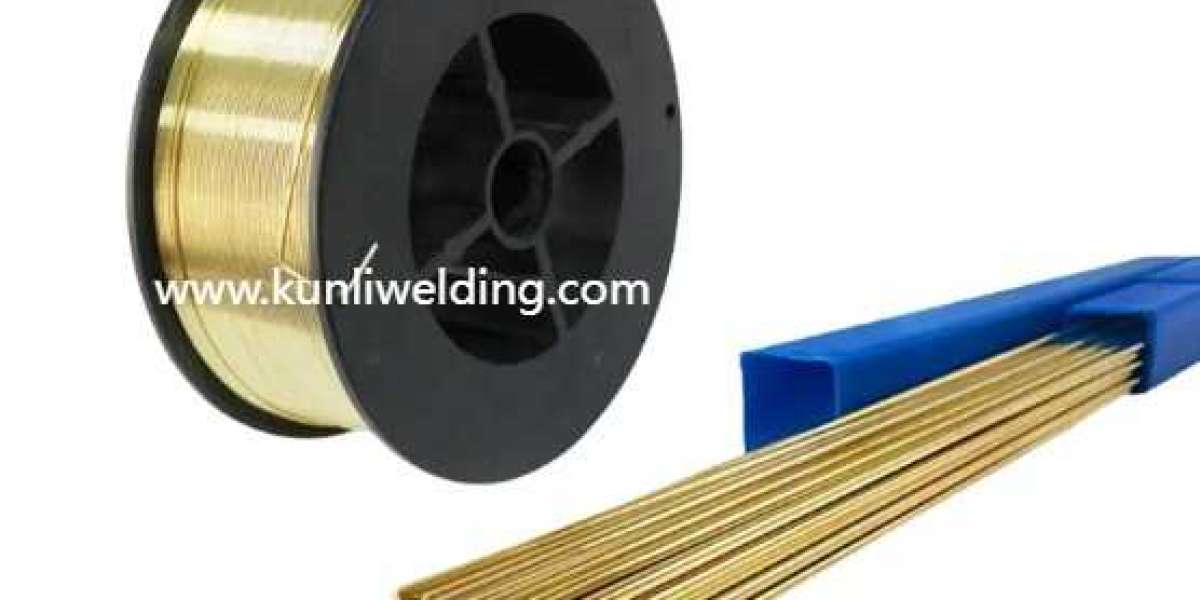
Practical tips for selecting the right filler include matching the filler family to the parent alloy series, running representative test welds, and asking suppliers for guidance on feed formats and recommended parameters. When surface finish or post weld treatment is important, check how the filler affects color and how it behaves during finishing steps. Also confirm that spool packaging and lot traceability meet your shop routines to lower the risk of unexpected variation.
Choosing the correct filler is a balance between metallurgical fit, fabrication realities and supply considerations. ER5356 often suits structural and marine applications, yet thoughtful trials and supplier dialogue will reveal when a different alloy better matches project goals. For product details and technical notes on ER5356 options available from the manufacturer, visit www.kunliwelding.com .